

Reducing Inflammation Using Cannabis
- mimi0511
- Jan 21
- 2 min read
Updated: Jan 22

What is inflammation? How can cannabis help?
Inflammation is a natural response in the body. It helps us heal from injury, fight off illness, and recover from stress. But when inflammation becomes chronic, it can quietly impact how we feel day to day. Many people associate inflammation with joint discomfort or muscle soreness, but it’s also connected to digestion, sleep quality, skin health, and overall energy. As interest in plant-based wellness grows, cannabis has become part of the conversation around supporting the body’s inflammatory response.
Cannabis products like tinctures, capsules, topicals, and beverages offer approachable ways to incorporate cannabinoids into a routine. Topicals are especially popular for targeting localized areas, while edibles and drinks provide a smoke-free option that fits into a wellness-focused lifestyle. As always, starting low and going slow is key, especially for those new to cannabis or adjusting their routine over time. It’s important to note that cannabis isn’t a cure and shouldn’t replace professional medical care. Instead, it can be viewed as one piece of a broader wellness approach that includes mindful movement, nourishing food, and rest. As research continues to evolve, cannabis remains an exciting area of exploration for those seeking plant-based ways to support balance in the body.
At the center of this conversation is the endocannabinoid system, a complex network of receptors found throughout the body. This system plays a role in regulating balance, including how the body responds to stress, discomfort, and inflammation. Cannabinoids like THC and CBD interact with this system, helping the body maintain a sense of equilibrium. While everyone’s experience is different, many consumers turn to cannabis as a gentle, plant-based option to support everyday wellness routines.
CBD is often highlighted for its non-intoxicating properties and its relationship to inflammation. It’s commonly used by people looking to support recovery after exercise, ease general stiffness, or promote relaxation without feeling high. THC, on the other hand, can also play a role by influencing how the body perceives discomfort. In lower doses, THC may support relaxation and help calm the nervous system, which can indirectly impact inflammatory stress in the body.
Inflammation also becomes more relevant as we age. Over time, the body’s natural recovery processes can slow, and low-grade inflammation may become more common. This is sometimes referred to as “inflammaging,” a term used to describe the gradual increase in inflammatory markers as we get older. Lifestyle choices like diet, movement, sleep, and stress management all play a role, and cannabis is increasingly being explored as a complementary tool in that mix.
**CBD may interact with certain medications—please consult your healthcare provider before use**
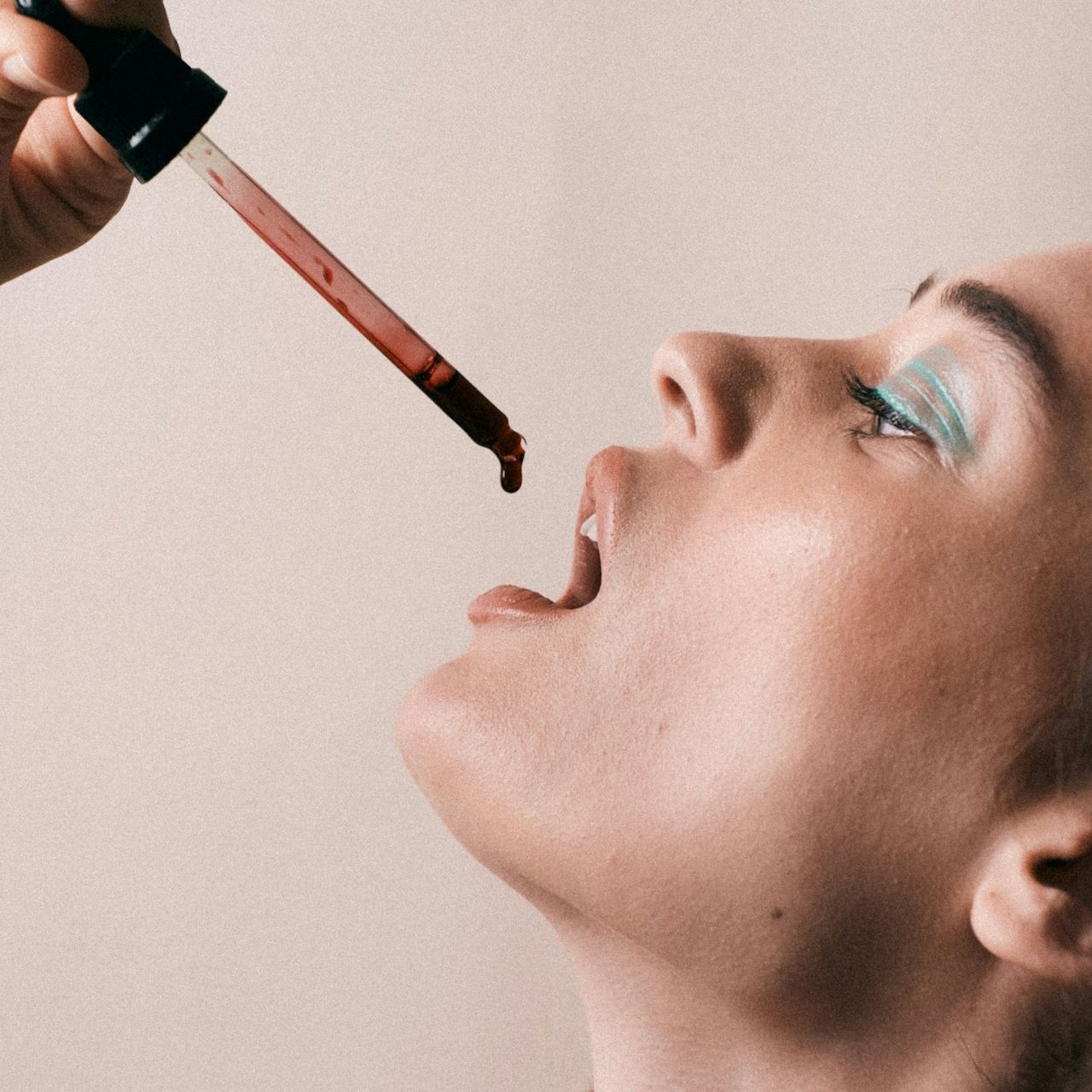
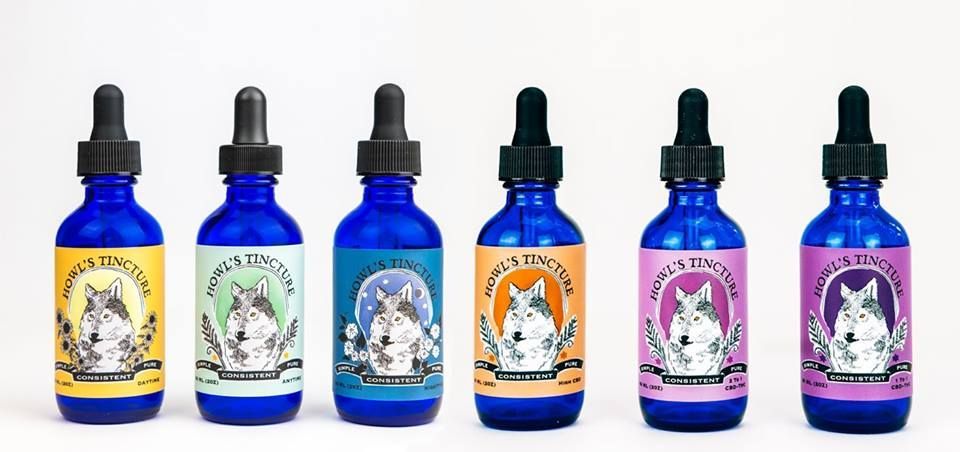
Full-spectrum tinctures stand out for their consistency and control, allowing you to easily customize your dose while benefiting from the plant’s natural cannabinoid profile. Understanding how cannabis fits into inflammation and aging can help you make more informed, intentional choices for your long-term wellness routine.


Comments